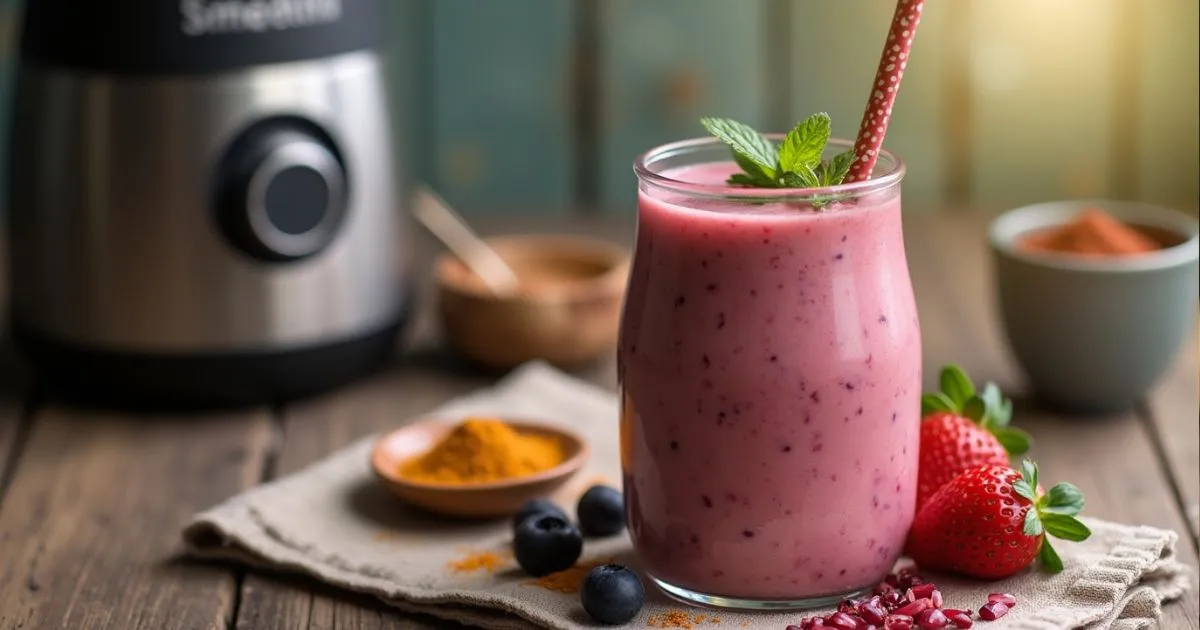
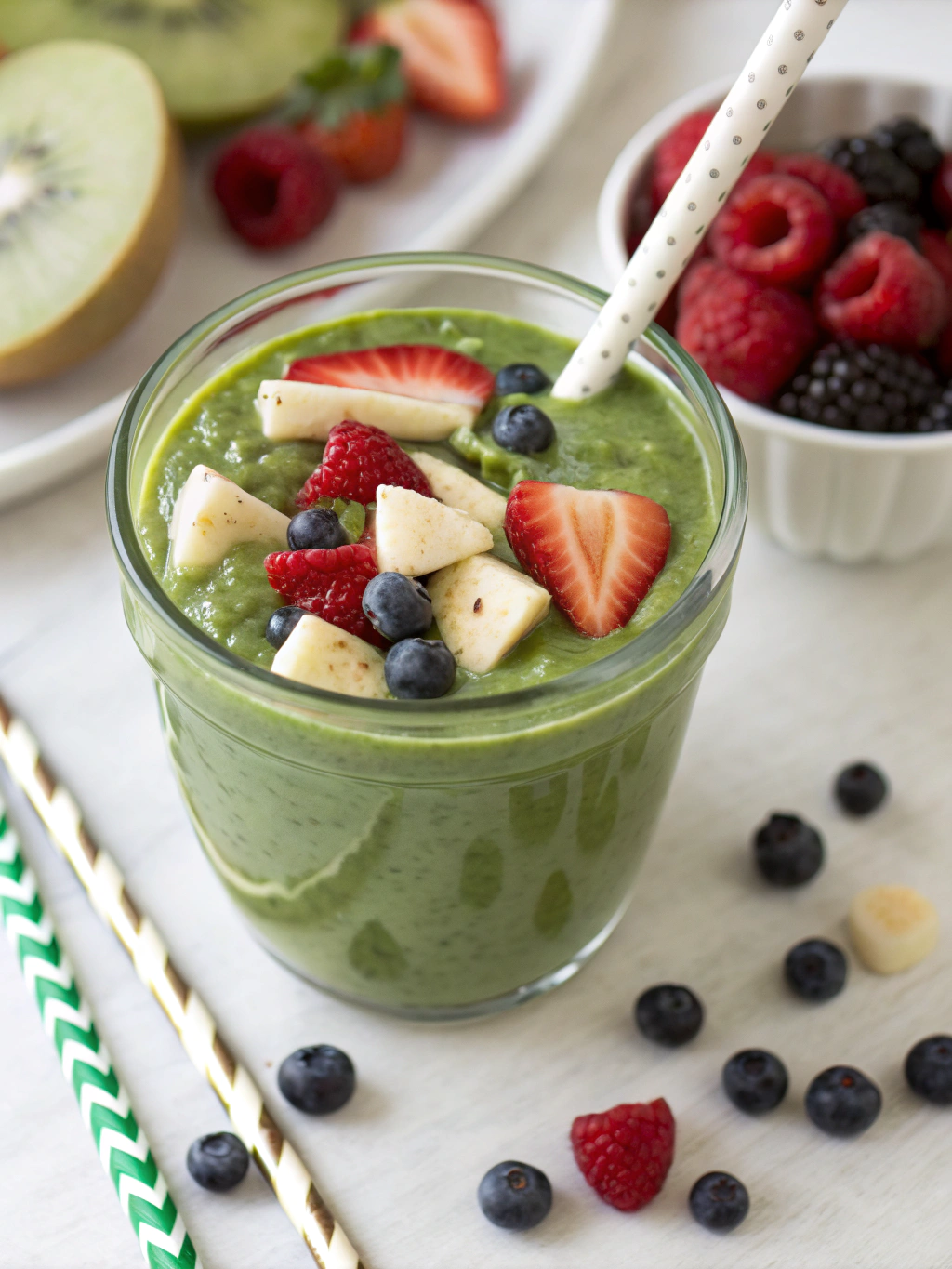
How to Whip Up the Perfect Protein Smoothie in 7 Easy Steps
Introduction
Did you know that nearly 73% of fitness enthusiasts struggle to meet their daily protein requirements through whole foods alone? If you’re among those searching for a delicious, convenient solution, you’re in the right place. A protein smoothie isn’t just a trendy beverage—it’s a scientifically-backed nutritional powerhouse that can accelerate muscle recovery, boost metabolism, and satisfy hunger for hours. Whether you’re rushing out the door after a morning workout or need a quick afternoon pick-me-up, mastering the art of creating the perfect protein smoothie can transform your nutrition game. In this comprehensive guide, we’ll walk you through seven foolproof steps to craft smoothies that taste incredible while delivering the nutrients your body craves for optimal performance and recovery.
Table of Contents
Ingredients List
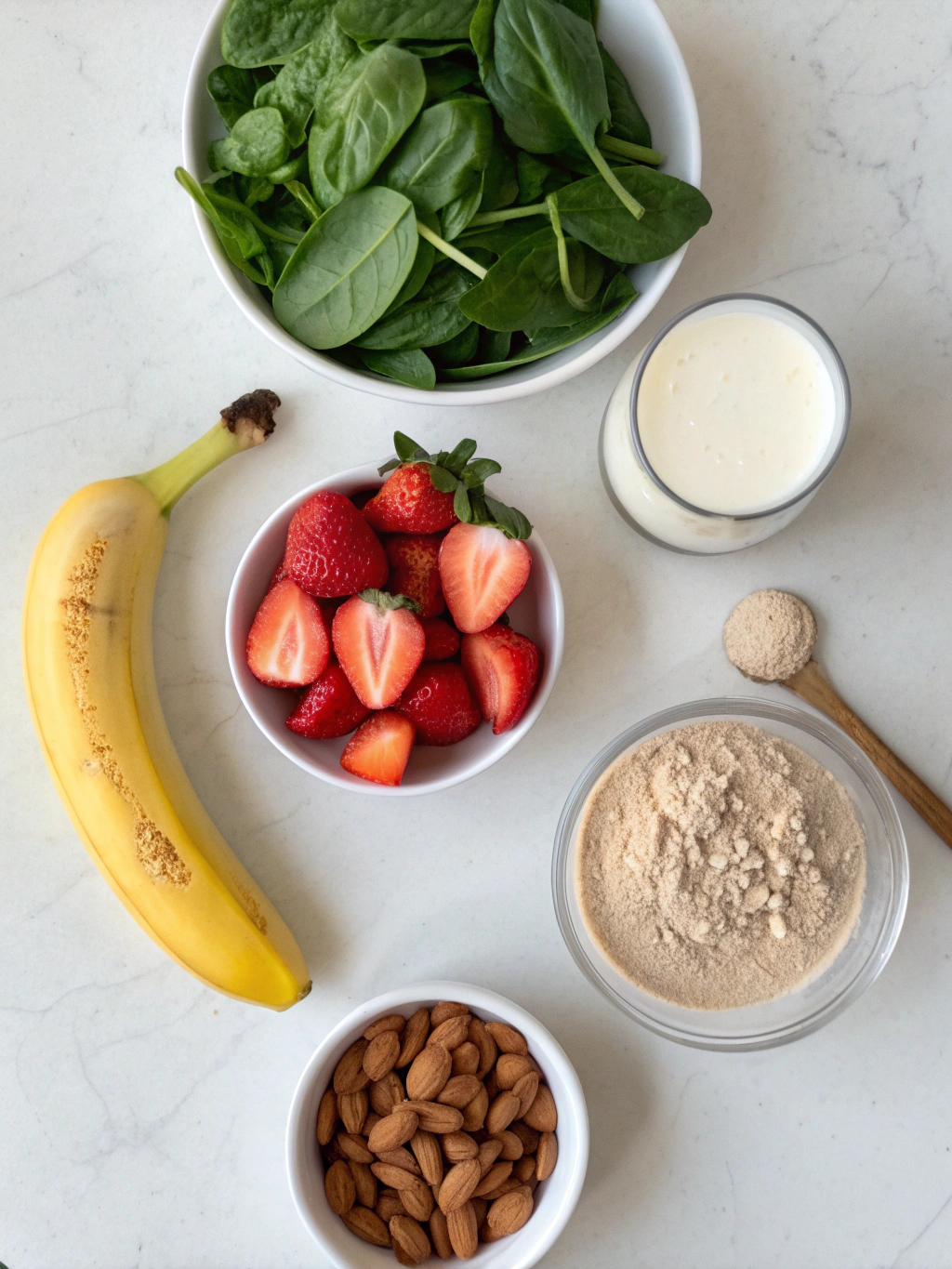
Creating the ultimate protein smoothie starts with quality ingredients. Here’s what you’ll need to blend up a creamy, satisfying treat:
Protein Base (Choose One):
- 1 scoop (25-30g) whey protein powder (vanilla, chocolate, or unflavored)
- 1 scoop plant-based protein (pea, hemp, or brown rice for vegan alternatives)
- 1 cup Greek yogurt (15-20g protein)
Liquid Foundation:
- 1 cup unsweetened almond milk (swap with coconut milk for tropical flavor)
- ¾ cup water or coconut water for electrolyte boost
Creamy Texture Enhancers:
- ½ frozen banana (adds natural sweetness and potassium)
- ¼ avocado (creates luxurious creaminess and healthy fats)
- 2 tablespoons nut butter (almond, peanut, or cashew)
Nutrient Boosters:
- 1 cup fresh spinach or kale (virtually tasteless but nutrient-dense)
- 1 tablespoon chia seeds or ground flaxseed (omega-3 fatty acids)
- ½ cup frozen berries (antioxidant-rich blueberries or strawberries)
Optional Flavor Enhancers:
- 1 teaspoon honey or maple syrup
- ½ teaspoon cinnamon or vanilla extract
- 2-3 ice cubes for extra thickness
Substitution Tips: Replace dairy milk with oat milk for creaminess, use frozen cauliflower instead of banana for low-carb options, or add cocoa powder for a chocolate indulgence without excess sugar.
Timing
One of the most appealing aspects of protein smoothies is their incredible efficiency:
Preparation Time: 5 minutes
Blending Time: 2 minutes
Total Time: 7 minutes
That’s right—in less time than it takes to wait in a coffee shop drive-through, you can create a nutritionally complete meal replacement. Research shows that post-workout nutrition consumed within 30-45 minutes maximizes muscle protein synthesis, making these quick-prep smoothies ideal for optimal recovery timing. Compared to traditional breakfast preparation (averaging 20-30 minutes), protein smoothies save you approximately 75% of your morning routine time while delivering superior nutrition.
Step 1: Select Your Protein Power Source
Begin by choosing your protein foundation based on your dietary preferences and fitness goals. Whey protein offers the highest biological value and fastest absorption—perfect for post-workout recovery. Plant-based proteins work wonderfully for vegans or those with dairy sensitivities. Greek yogurt provides probiotics alongside protein for digestive health.
Pro Tip: Look for protein powders with minimal ingredients (ideally under 10) and avoid those with artificial sweeteners like sucralose or aspartame. Natural stevia or monk fruit are cleaner alternatives.
Step 2: Choose Your Liquid Base Wisely
Pour your liquid into the blender first—this prevents ingredients from sticking to the bottom and ensures smoother blending. Unsweetened almond milk keeps calories low (30-40 per cup) while adding a subtle nutty flavor. For easy protein smoothie ideas, coconut water adds natural electrolytes—particularly beneficial after intense cardio sessions.
Expert Insight: The liquid-to-solid ratio dramatically affects texture. Start with ¾ cup and add more for thinner consistency or reduce for a spoon-able smoothie bowl.
Step 3: Add Frozen Fruits for Natural Sweetness
Toss in your frozen banana and berries. Frozen fruits eliminate the need for ice (which can dilute flavor) while creating that thick, frosty texture we crave. Bananas provide quick-digesting carbohydrates to replenish glycogen stores, while berries offer anthocyanins that reduce exercise-induced inflammation.
Flavor Pairing Secret: Strawberries complement vanilla protein, while mixed berries pair beautifully with chocolate varieties.
Step 4: Incorporate Healthy Fats
Add your avocado or nut butter now. These healthy fats slow digestion, providing sustained energy and keeping you satisfied for 3-4 hours. Omega-3s from these sources also support cardiovascular health and reduce post-exercise muscle soreness by up to 20%, according to sports nutrition research.
Portion Control: Two tablespoons of nut butter adds approximately 190 calories—nutritionally dense but calorie-aware for those monitoring intake.
Step 5: Sneak in the Greens
Time to add your leafy greens! A full cup of spinach delivers iron, calcium, and vitamins A and K without affecting taste when blended with fruits. This is one of the smartest how to make a protein smoothie strategies for increasing micronutrient intake effortlessly.
Beginner Tip: Start with ½ cup if you’re new to green smoothies and gradually increase as your palate adapts.
Step 6: Boost with Superfoods
Sprinkle in chia seeds, flaxseed, or other nutrient boosters. These tiny additions pack outsized nutritional benefits—chia seeds absorb liquid and expand in your stomach, enhancing satiety. Flaxseed provides lignans with potential anti-cancer properties.
Variety Suggestion: Rotate between hemp hearts, cacao nibs, maca powder, and spirulina throughout the week for diverse nutrient profiles.
Step 7: Blend to Creamy Perfection
Secure your blender lid and start on low speed, gradually increasing to high. Blend for 45-60 seconds until completely smooth with no chunks remaining. High-powered blenders create the silkiest texture, but even basic models work well if you blend a bit longer.
Consistency Check: The perfect protein smoothie should pour smoothly but coat the back of a spoon. If too thick, add liquid in 2-tablespoon increments; if too thin, add more frozen fruit or ice.
Nutritional Information
Per serving (based on whey protein, almond milk, banana, berries, spinach, and almond butter):
- Calories: 340-380
- Protein: 28-32g
- Carbohydrates: 35-40g
- Dietary Fiber: 8-10g
- Total Fat: 12-15g
- Saturated Fat: 2g
- Sugar: 18-22g (naturally occurring)
- Sodium: 180-220mg
- Potassium: 680mg
- Calcium: 35% DV
- Iron: 20% DV
- Vitamin A: 45% DV
- Vitamin C: 65% DV
This nutritional profile delivers approximately 30% of your daily protein needs in a single serving, alongside substantial fiber for digestive health and antioxidants for recovery.
Healthier Alternatives for the Recipe
Transform your protein smoothie to meet specific dietary goals with these smart swaps:
For Low-Carb/Keto Adaptations:
- Replace banana with ½ cup frozen zucchini or cauliflower (virtually tasteless)
- Use MCT oil instead of nut butter for ketogenic fat sources
- Choose unsweetened protein powder and add stevia to taste
For Weight Loss Focus:
- Reduce nut butter to 1 tablespoon (saves 95 calories)
- Use water or unsweetened tea instead of milk alternatives
- Add ½ teaspoon cayenne pepper to boost metabolism
For Dairy-Free Options:
- Select plant-based protein powders
- Use coconut milk yogurt instead of Greek yogurt
- Ensure all ingredients are certified vegan
For Anti-Inflammatory Benefits:
- Add 1 teaspoon fresh ginger or turmeric
- Include tart cherry juice (reduces muscle soreness)
- Incorporate pineapple for bromelain enzymes
For Gut Health:
- Add 2 tablespoons kefir or probiotic powder
- Include prebiotic-rich bananas and oats
- Mix in collagen peptides for gut lining support
Serving Suggestions
Elevate your protein smoothie experience with these creative presentation and pairing ideas:
As a Smoothie Bowl:
Pour into a bowl and top with granola, sliced almonds, coconut flakes, fresh berries, and a drizzle of honey for an Instagram-worthy breakfast that takes 2 extra minutes.
Post-Workout Refreshment:
Enjoy immediately after resistance training when muscles are primed for nutrient absorption. The 4:1 carb-to-protein ratio in this recipe optimally supports glycogen replenishment.
Meal Replacement Strategy:
Pair your smoothie with a handful of nuts or a hardboiled egg to increase satiety for 4-5 hours, creating a complete meal replacement option.
Pre-Workout Fuel:
Consume 60-90 minutes before exercise, reducing the nut butter to prevent digestive discomfort during activity.
Dessert Alternative:
Add extra cocoa powder and freeze for 2 hours in popsicle molds for a guilt-free frozen treat containing 15g+ protein.
Family-Friendly Approach:
Blend a large batch and portion into individual servings for kids’ after-school snacks—they’ll never know they’re drinking their greens!
Common Mistakes to Avoid
Even when following easy protein smoothie ideas, certain pitfalls can sabotage your results:
Overloading on Sugar:
Using fruit juice as your liquid base adds 20-30g of unnecessary sugar. Stick with unsweetened alternatives and let whole fruits provide natural sweetness. Research indicates excessive liquid sugar can spike insulin levels, counteracting fat-loss goals.
Skimping on Protein:
A true protein smoothie should contain at least 20-25g of protein. Less than this won’t effectively stimulate muscle protein synthesis or provide adequate satiety.
Creating Calorie Bombs:
It’s surprisingly easy to blend a 600-800 calorie smoothie by adding multiple nut butters, sweeteners, and full-fat dairy. Measure ingredients rather than eyeballing portions.
Neglecting Texture Balance:
Too much liquid creates disappointing, watery smoothies. Conversely, insufficient liquid strains your blender motor and creates chunky results. Follow the liquid ratios specified above.
Using Room Temperature Ingredients:
Frozen components are essential for that thick, cold consistency. Room temperature smoothies are unappetizing and warm up quickly.
Blending Inadequately:
Partially blended smoothies with leafy green chunks or protein powder clumps ruin the experience. Blend thoroughly, scraping down sides if necessary.
Ignoring Protein Powder Quality:
Not all protein powders are created equal. Third-party tested products (NSF Certified for Sport, Informed-Choice) ensure you’re getting what the label promises without contaminants.
Storing Tips for the Recipe
Maximize convenience and freshness with these expert storage strategies:
Refrigerator Storage:
Freshly blended smoothies maintain optimal texture for 24 hours when stored in an airtight container in the refrigerator. Separation is natural—simply shake vigorously before drinking. Glass mason jars work beautifully and prevent plastic chemical leaching.
Freezer Prep Packs:
Create ultimate convenience by pre-portioning all solid ingredients (protein powder, fruits, greens, seeds) into individual freezer bags. When ready, dump contents into the blender with liquid—preparation time drops to under 3 minutes. These packs remain fresh for 3 months.
Smoothie Ice Cubes:
Freeze leftover smoothie in ice cube trays, then transfer cubes to freezer bags. Add 4-6 cubes to your next smoothie for extra nutrition and thickness without dilution.
Protein Powder Storage:
Keep protein powder in a cool, dry place away from moisture. Exposure to humidity causes clumping and degradation. Most powders maintain potency for 6-9 months after opening.
Ingredient Freshness:
Freeze ripe bananas when they reach peak sweetness (brown spots appearing). Simply peel, break into chunks, and freeze in bags. Berries freeze excellently for 6-8 months. Leafy greens can be frozen too, though texture suffers—fine for smoothies where they’re blended anyway.
Batch Blending Caution:
While convenient, smoothies lose nutritional value over time as vitamins oxidize. Vitamin C degrades by approximately 15-20% after 24 hours. For maximum nutrition, blend fresh when possible.
Conclusion
Mastering how to make a protein smoothie empowers you with a versatile tool for meeting nutritional goals without sacrificing flavor or convenience. By following these seven straightforward steps—selecting quality protein, choosing appropriate liquids, incorporating frozen fruits, adding healthy fats, sneaking in greens, boosting with superfoods, and blending to perfection—you’ll create smoothies that rival any specialty shop at a fraction of the cost.
The beauty of the protein smoothie lies in its infinite adaptability. Whether you’re pursuing muscle gain, weight loss, improved energy, or simply better nutrition, the formula remains simple while the variations are endless. Start with the basic recipe provided, then experiment with different flavors, textures, and nutritional boosters until you discover your signature blend.
Ready to transform your nutrition routine? Grab your blender, gather these wholesome ingredients, and whip up your first perfect protein smoothie today. Your muscles, metabolism, and taste buds will thank you. Don’t forget to share your favorite combinations in the comments below—we’d love to hear which variations become your go-to recipes!
FAQs
Q: Can I make a protein smoothie without protein powder?
Absolutely! Greek yogurt (15-20g per cup), cottage cheese (14g per ½ cup), silken tofu (10g per ½ cup), and nut butters (7-8g per 2 tablespoons) all provide substantial protein. Combine multiple sources to reach 20-25g total. For example, 1 cup Greek yogurt plus 2 tablespoons almond butter delivers approximately 23g protein naturally.
Q: When is the best time to drink a protein smoothie?
Timing depends on your goals. Post-workout (within 30-60 minutes) optimizes muscle recovery and growth. As a breakfast replacement, smoothies jumpstart metabolism and provide sustained energy. Pre-workout (60-90 minutes before) fuels performance without digestive discomfort. Before bed, slow-digesting casein protein smoothies support overnight muscle repair.
Q: How can I make my protein smoothie thicker?
Reduce liquid by ¼ cup, add extra frozen fruit (particularly banana), incorporate ½ avocado, use frozen cauliflower, add 2-3 tablespoons oats or chia seeds (let sit 5 minutes to absorb liquid), or include ¼ cup Greek yogurt. For ultimate thickness, use less liquid initially and add gradually until reaching desired consistency.
Q: Will protein smoothies help me lose weight?
Protein smoothies support weight loss when used strategically as meal replacements because they’re portion-controlled, high in satiating protein (which reduces overall calorie intake), and nutrient-dense. However, adding smoothies to your regular diet without reducing other calories may lead to weight gain. Replace higher-calorie meals and keep smoothies between 300-400 calories for best results.
Q: Can I prep protein smoothies in advance?
Yes, with some considerations. Pre-portioned freezer packs (all ingredients except liquid) work perfectly and maintain freshness for months. Fully blended smoothies can be refrigerated for 24 hours but experience texture separation and nutrient degradation. For best taste and nutrition, blend fresh when possible or use the freezer pack method.
Q: Are protein smoothies suitable for kids?
Definitely! Children benefit from the balanced nutrition, and smoothies offer an excellent way to increase fruit and vegetable consumption. Reduce protein powder to ½ scoop for younger children (their needs are lower), emphasize naturally sweet fruits, and involve kids in the blending process to encourage healthy habits. Avoid artificial sweeteners and choose natural, minimal-ingredient protein powders.
Q: Why does my protein smoothie taste chalky?
Chalkiness typically results from low-quality protein powder or insufficient blending. Invest in a reputable protein brand (whey isolate tends to be smoother than concentrate), blend for a full 60 seconds, ensure adequate liquid, and add flavor-masking ingredients like banana, nut butter, cocoa powder, or vanilla extract. Plant-based proteins sometimes taste earthier—complement with stronger flavors like berries or cinnamon.
Q: How much protein should my smoothie contain?
Aim for 20-30g per smoothie for optimal muscle protein synthesis. This amount effectively stimulates muscle building and provides 3-4 hours of satiety. Athletes with higher protein requirements (1.6-2.2g per kg body weight) may benefit from 30-40g servings, while moderate exercisers do well with 20-25g. Distribute protein throughout the day rather than consuming excessive amounts in a single serving.